Notable Beard Co.
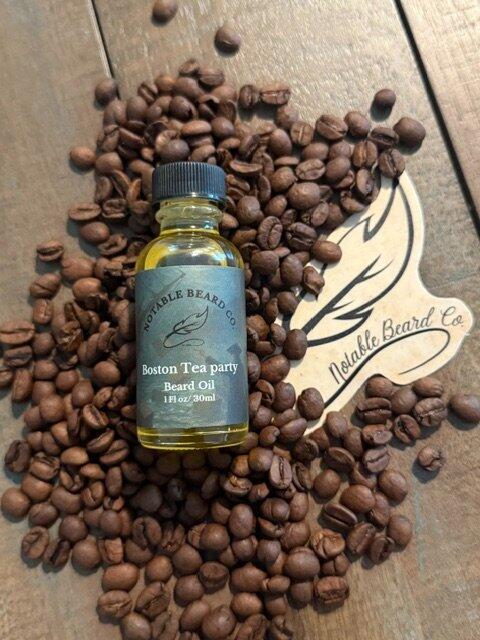
Boston Tea Party Beard Oil (Limited)
Boston Tea Party Beard Oil (Limited)
Couldn't load pickup availability
Boston Tea Party
“When Boston Put the Tea on Ice”
Boston, December 16, 1773.
The situation was simple: Britain had passed the Tea Act, giving the British East India Company a powerful advantage in the colonial tea trade while leaving the existing duty on tea in place. To many colonists, the issue was bigger than the price of a cup—it was about Parliament exercising authority over people who had no elected representatives there.
So the Sons of Liberty gathered at Boston Harbor.
Three ships sat at Griffin’s Wharf: the Dartmouth, Eleanor, and Beaver. Their cargo? 342 chests of tea.
The colonists had tried to have the tea sent back to Britain. When that failed, a group of men disguised themselves as Mohawk Indians boarded the ships, opened the chests, and tossed roughly 90,000 pounds of tea into Boston Harbor.
No stealing. No drinking. No taking souvenirs.
Apparently, the colonial version of “all-you-can-drink tea” was “all-you-can-dump.”
And just like that, Boston Harbor became the largest cup of tea nobody intended to drink.
The British government was not amused.
Parliament responded with the Coercive Acts, including closing Boston Harbor until the destroyed tea was paid for. Instead of calming colonial resistance, the punishment helped encourage greater cooperation among the colonies.
And somewhere along the way, Americans began finding another beverage increasingly appealing:
Coffee.
Coffee wasn’t invented as an American protest drink—it was already consumed in the colonies—but tea boycotts and opposition to British-controlled tea gave coffee an increasingly patriotic association. If drinking tea could feel like supporting British commerce, then a steaming mug of coffee offered a rather convenient alternative.
And what better way to celebrate independence than replacing one hot brown beverage with another?
Our Boston-inspired fragrance captures that transition:
Cinnamon Sugar Donut opens warm and sweet, like a colonial tavern serving fresh pastries before the evening’s political arguments begin.
Fresh Ground Coffee follows—dark, roasted, rich, and unapologetically American in spirit.
Dark Amber brings the warmth of an old tavern, while Cedarwood adds the dry character of weathered timbers and wooden barrels.
Brown Sugar and Vanilla give the fragrance its smooth, comforting sweetness, while a touch of Orange Peel brightens the whole affair.
So raise your mug—not your teacup.
Because in Boston that night, the colonists didn’t just throw tea into the harbor.
They helped turn coffee into a very American way to start the morning.